

The use of suction cups usually results in marks on the glass - a particular problem with coated glasses
How you generally avoid these marks is quite simple, if you believe the adverts. Just use MTC suction plate covers and you will no longer get marks.

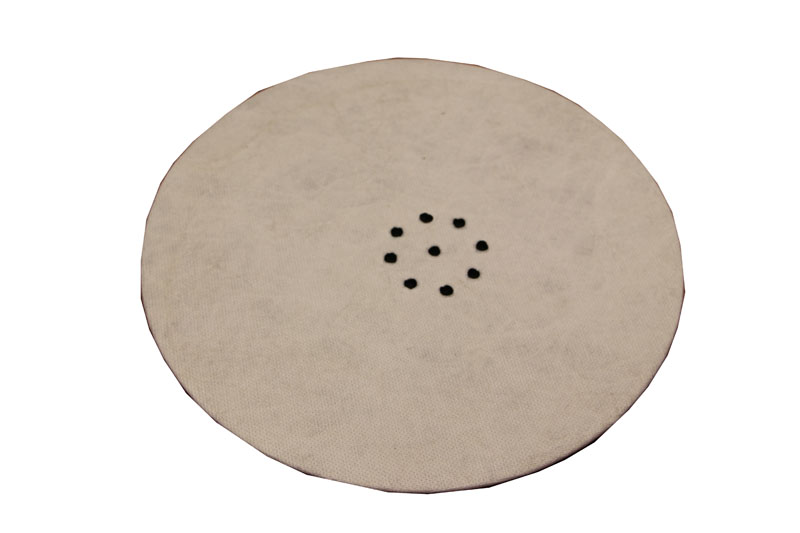
The advertising for this product mentions a reduction in the coefficient of friction. Have you also considered this when using these suction plate coatings? The product description states a value of a few per cent for horizontal applications. When does this occur in glass processing? And did you know that you leave the horizontal load case at an angle of just 10°, as studies by the University of Applied Sciences have shown us? When used vertically, the manufacturer of these suction plate coatings speaks of a reduction of around 50 %.
As the glass is mainly transported vertically, if you follow the manufacturer's instructions, you will need twice the number of suction cups to achieve the same load capacity, or in other words, your appliance will only be able to carry half as much.
- If you take this into account, are you on the safe side?
- Can you then work with it safely?
- Or is there more to consider?
You should know that!
The product observation obligation has forced us to take a closer look at this application and test the effects on the use of our vacuum lifters with these MTC suction plate covers.
In 2003, this task was assigned to the University of Applied Sciences once before. We then published these test results on our website and included corresponding information in our operating instructions.
If you want to read about it, here is the link to the test result on the behaviour of suction cups with a cellulose coating from the Kiel University of Applied Sciences.
Operating performance of suction pads with cellulose cover
The result of this test was close to the remaining 25 % of the load capacity.
You therefore lose 75 % of the original load-bearing capacity.
In 2015, we carried out a trial with our test device to check the results ourselves. The initial results were repeatedly questioned by our dialogue partners.
In the test, the normal new 388 suction cup achieved a load capacity of 259 kg and with a new MTC suction plate cover only 72 kg.
For comparison, a replica of the Eurotech 388 suction cup was tested under the same conditions as the Pannkoke 388 suction cup. This suction cup was also able to hold over 200 kg for a short time, but then dropped to approx. 110 kg. It should be noted that this was without the MTC suction plate cover. This realisation should also be taken into account when replacing suction cups. Not every suction cup of the same size has the same load capacity.
This was followed by the test with the MTC suction plate cover. And here, too, only approx. 70 kg could be held.
If the poor value of the Eurotech suction cup is assumed, then the reduction is 37 %. This leaves a load capacity of approx. 63%. If the value of the suction cup 388 from Pannkoke is assumed, only 28 % of the load capacity remains.
We have summarised this test in a video, which you can find on our YouTube channel. You can also see another problem that exists when using the MTC suction plate covers. Your vacuum system will leak and you will have a loss of vacuum, which will lead to a further loss of load-bearing capacity. So if your vacuum supply fails, it becomes even more dangerous. This means that you eliminate the safety built into your vacuum lifting device.
Here is the link to the video: How do suction cups with coatings to protect coated glass behave?
As if that wasn't enough, another test was carried out as part of the preparations for the 2017 safety training course. A 388 suction cup with MTC suction plate cover was tested again. The result was a load capacity of 20 kg. In this test, no vacuum was generated after suction. So we simulated the power failure and after approx. 4 minutes the suction cup could only hold 20 kg! The time course was also recorded during this test.
If you are still not convinced that these suction plate covers are a major risk factor, here is another example: In 2019, we received a vacuum lifting device for a conversion. The Kombi 7031-DmS-07 vacuum lifter was manufactured in 2017 and should now be retrofitted with a motorised rotary drive. A load test is carried out before delivery.
The result: The test with the MTC suction plate covers went as expected, the appliance slipped over the steel plate at 556 kg.
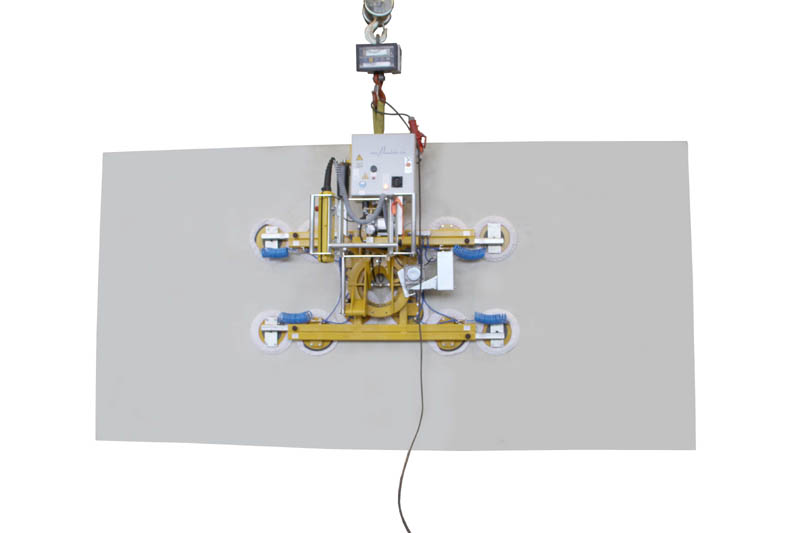
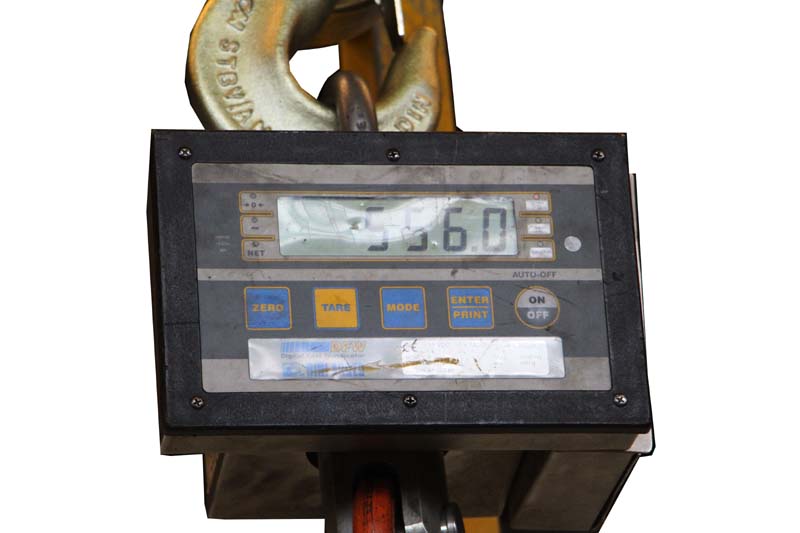
The result: without the MTC suction plate covers, the steel plate was still held at 2007 kg.
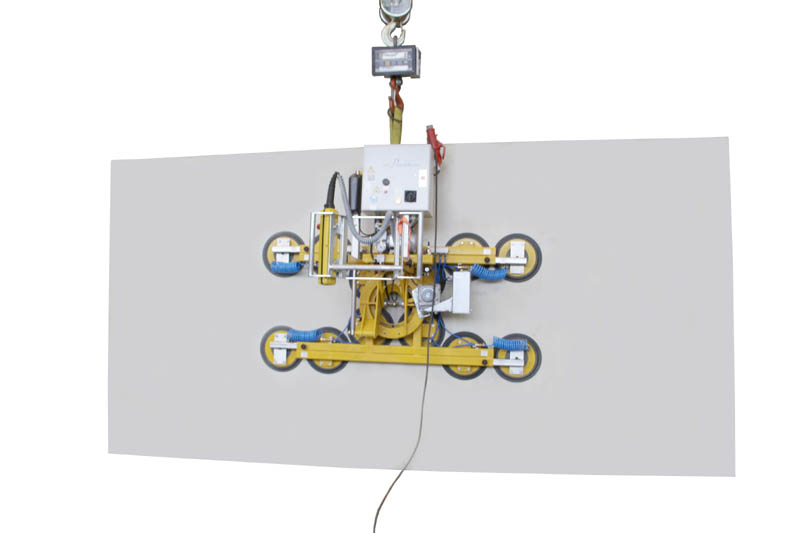
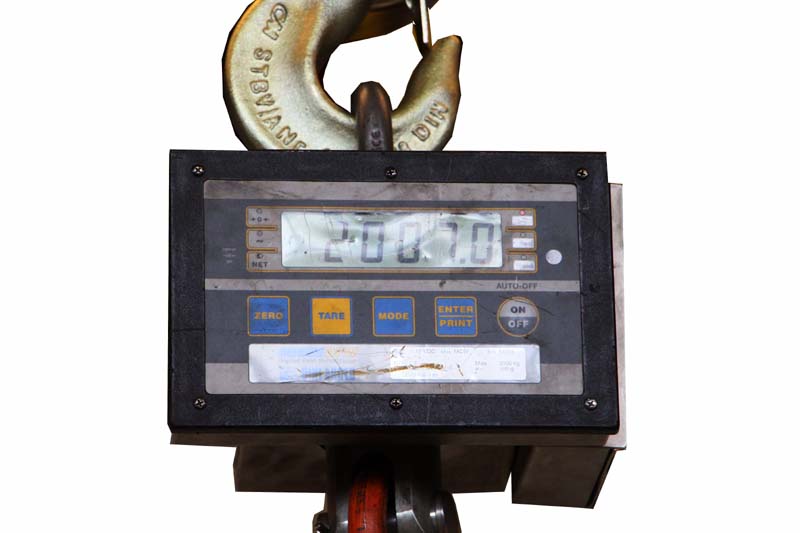
Again, a large reduction in the load capacity of the device was confirmed. Only approx. 27 % of the original load capacity was achieved. In addition, the vacuum system was leaking due to the use of the MTC suction plate covers.
Unfortunately, there is no other way to really avoid the suction marks. Be aware of the risk you are taking by using it.
Our advice
- Expect a reduction in load capacity of 75 %.
- Use more suction cups to ensure sufficient safety
- Always remember that a vacuum lifter should normally always carry twice the load. You should therefore always take the safety factor of 2 into account when making this calculation. The values determined must therefore always be divided by 2
- Make sure that the vacuum supply does not fail. If this happens, get to safety, as the load-bearing capacity will continue to decrease.
Only use these MTC suction plate covers if absolutely necessary.
It's about your safety and that of your fellow human beings.
Just in case, think about why you are using it this way. Keep a written record of your considerations, because we can advise you against „carrying on like this“. In our opinion, the use of these MTC suction plate covers is dangerous if used carelessly out of habit.